
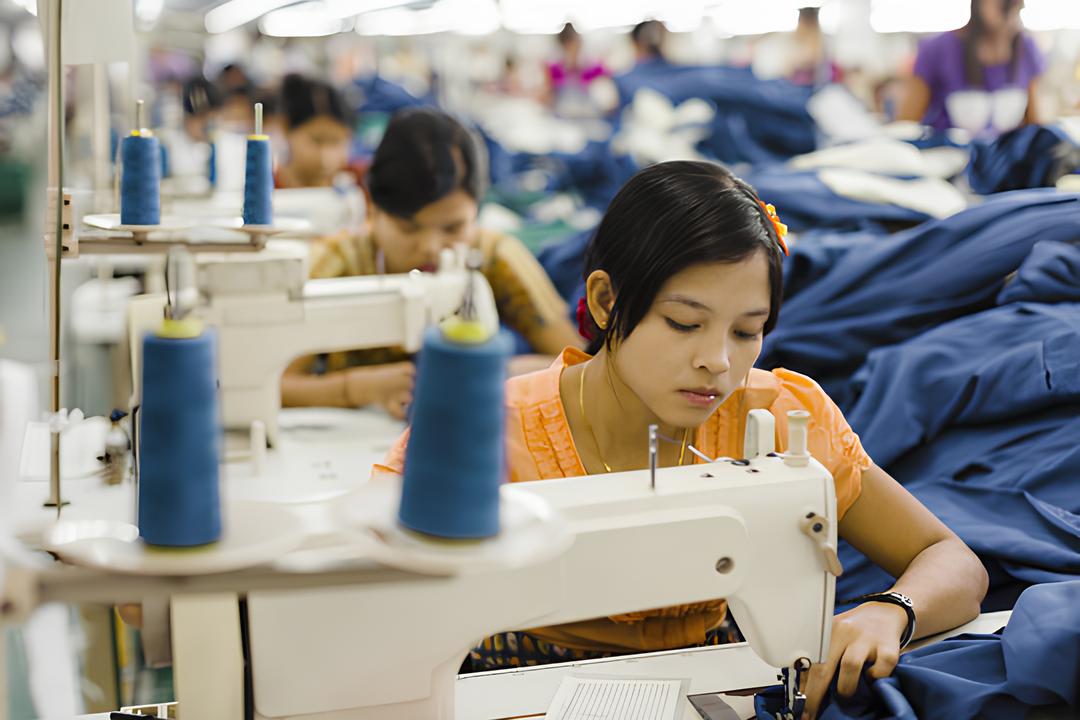
The apparel industry is at a turning point. Traditional manufacturing methods are no longer enough to meet rising demands for speed, transparency, and sustainability. As global brands push for Industry 4.0 adoption, garment manufacturers must embrace AI, IoT, and RFID-based real-time tracking to remain competitive.
WiMetrix is helping factories transform into smart factories, where data flows seamlessly across production floors, giving managers instant visibility, improving efficiency, and reducing waste.
The Rise of Smart Factories in Apparel Manufacturing
Smart factories represent the next evolution of garment production. They use a mix of artificial intelligence, automation, and real-time data analytics to optimize performance.
In apparel, this means:
- RFID (Radio Frequency Identification) tags replace manual tracking.
- IoT sensors collect live data from machines and garments.
- AI algorithms analyze production patterns, detect inefficiencies, and suggest improvements.
- Cloud dashboards give managers full visibility—anytime, anywhere.
The Evolution of Garment Manufacturing: From Manual to Smart
For decades, apparel factories relied on manual logs, paper records, and fragmented systems. This led to:
- Inaccurate reporting
- Poor visibility across production lines
- Delays in decision-making
- High levels of fabric waste
The transition to real-time garment tracking systems has completely reshaped how manufacturers manage operations. With RFID + AI, the factory floor becomes transparent, measurable, and highly efficient.
Why Real-Time Tracking Matters
Manual production tracking is prone to errors, delays, and incomplete data. This lack of visibility often leads to:
- Missed deadlines
- High rework rates
- Wasted fabric and labor hours
- Poor worker incentive systems
With real-time garment tracking powered by RFID and IoT, factories gain:
- 100% visibility across every production stage
- Faster response to bottlenecks
- Accurate operator performance data for fair incentives
- Traceability for sustainability compliance
How RFID & AI Work Together
RFID technology provides the foundation for accurate tracking, while AI adds intelligence to the system. Together, they create a powerful transformation in garment production:
- RFID Tags & Readers track garments and materials at every stage.
- AI-powered analytics detect patterns, forecast production delays, and recommend improvements.
- Predictive insights help managers optimize schedules, reduce machine downtime, and increase throughput.
- Sustainability reporting becomes easier with data-backed measurements of waste reduction and efficiency.
Benefits of RFID in Apparel Manufacturing:
- Automated tracking reduces reliance on manual scanning.
- Precise inventory management avoids overstocking and shortages.
- End-to-end traceability supports brand compliance and buyer audits.
- Data integration enables AI to optimize the workflow.
The Role of AI in Garment Manufacturing
AI turns raw data into actionable insights. Some key uses include:
- Predictive Analytics – Anticipating delays, machine breakdowns, and supply shortages.
- Capacity Optimization – Distributing orders across lines for maximum efficiency.
- Quality Monitoring – Detecting defects early to reduce rework and waste.
- Labor Efficiency Analysis – Measuring operator performance and guiding incentive systems.
What WiMetrix Provides
As the industry embraces Industry 4.0, WiMetrix supports factories with real-time production tracking, RFID-based monitoring, and AI-powered analytics. By enabling transparency and efficiency, WiMetrix helps manufacturers:
- Reduce waste and improve fabric utilization.
- Track garments and workflows in real time.
- Gain insights for better planning and timely deliveries.
- Align operations with sustainability and compliance goals.
WiMetrix bridges the gap between traditional garment production and the smart factories of the future.
Conclusion
The transformation of garment manufacturing is accelerating. AI-driven smart factories and RFID-enabled real-time tracking are no longer optional—they are the backbone of future-ready apparel production.
Manufacturers who adopt these technologies will not only boost efficiency and cut costs but also strengthen their position in a world that values sustainability, transparency, and speed.
WiMetrix is proud to be at the forefront of this transformation—helping apparel factories make the leap from manual processes to intelligent, connected manufacturing ecosystems.