
Fabric waste is a common challenge in apparel manufacturing, and it directly impacts your costs and efficiency. However, many factories still struggle to identify where the waste is happening. This is where a fabric management system becomes essential, as it helps you track fabric usage and reduce unnecessary losses. Solutions like WiMetrix enable manufacturers to gain real-time visibility and improve fabric control across production.
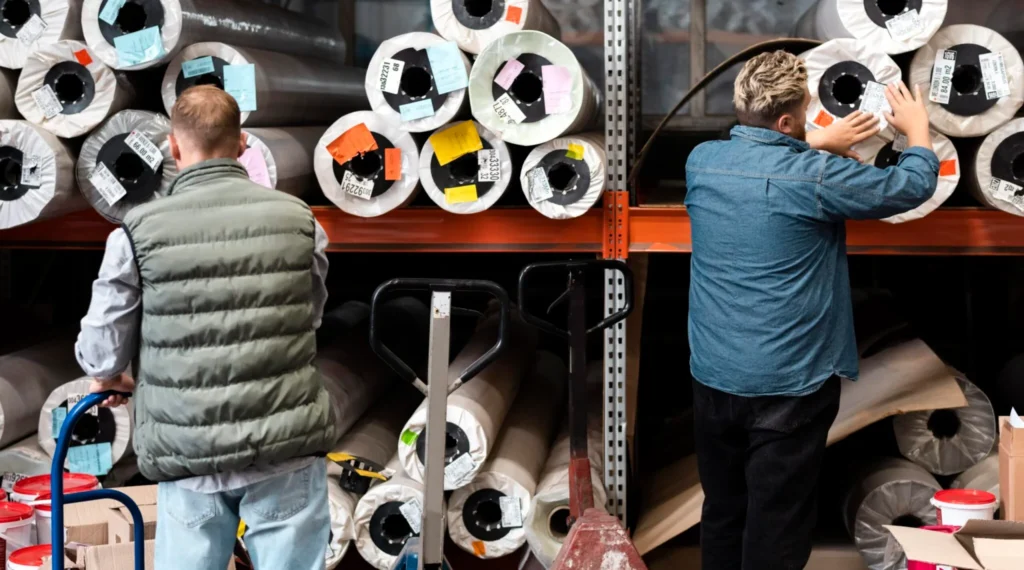
Causes of fabric waste
Why Fabric Waste Happens in Apparel Production
Fabric waste is a common challenge in apparel manufacturing, and you may face it more often than you expect. However, it usually does not come from one single issue. Instead, it develops from small inefficiencies across your production process. When these issues are not controlled, they lead to higher costs and reduced profitability.
Moreover, many factories still rely on manual methods to track fabric usage. As a result, you may not have a clear understanding of where waste is occurring. Without proper visibility, it becomes difficult to improve efficiency. Therefore, using a fabric management system helps you monitor usage and reduce unnecessary waste.
Lack of Real-Time Visibility
One major cause of fabric waste is the lack of real-time visibility. In many cases, you depend on delayed reports or manual tracking systems. Consequently, you only identify issues after production is completed. By that time, the waste has already happened.
For example, one production line may use more fabric than required, while another line may face shortages. However, without real-time data, you cannot respond quickly. This delay creates inefficiencies that affect your entire workflow.
Furthermore, limited visibility prevents you from making informed decisions. You are forced to rely on assumptions instead of actual data. A fabric management system allows you to track fabric usage instantly and take action before problems increase.
Inefficient Planning and Allocation
Another important reason for fabric waste is poor planning. When fabric allocation is not based on accurate data, it often leads to overuse or leftover material. In addition, cutting plans may not be optimized, which increases fabric loss.
You may also face communication gaps between departments. For instance, the planning team might not update the production team on changes. As a result, fabric is issued incorrectly, and waste increases.
Besides that, balancing fabric usage across multiple lines becomes difficult without proper tools. This imbalance creates hidden inefficiencies. Therefore, a fabric management system helps you plan better and ensures accurate fabric distribution.
Manual Processes and Human Errors
Manual processes also contribute significantly to fabric waste. When you rely on human input, mistakes are unavoidable. Even small errors in measurement or data entry can cause large losses.
For example, incorrect calculations may lead to excess fabric usage. Similarly, manual reporting often lacks accuracy, making it harder to identify waste areas. In addition, manual systems slow down your operations.
As a result, you spend more time correcting mistakes instead of improving efficiency. Over time, these small errors accumulate and increase waste. A fabric management system reduces human errors by automating tracking and improving data accuracy.
Weak Quality Control Practices
Fabric waste also increases when quality control is not managed effectively. If defects are detected late, you may need to rework or discard garments. This process uses additional fabric and raises costs.
For instance, stitching or fabric defects may go unnoticed during early stages. However, when they are found later, the damage cannot be reversed easily.
Moreover, without proper tracking, it becomes difficult to find the root cause of defects. Therefore, a fabric management system helps you monitor quality in real time and reduce unnecessary waste.
Smart tracking solutions
Real-Time Fabric Tracking for Better Visibility
When you improve tracking, you immediately reduce fabric waste across your production process. However, many factories still rely on delayed reports. As a result, you often react to problems instead of preventing them early.
With real-time tracking, you can see exactly how fabric moves through each production stage. This means you no longer depend on guesswork or manual updates. Instead, you gain instant insights into fabric usage, allocation, and consumption.
Moreover, real-time tracking helps you identify unusual patterns quickly. For example, you may notice that one production line is consuming more fabric than expected. Therefore, you can take immediate action and avoid further losses. A fabric management system plays a key role here by providing live data and improving overall visibility.
RFID and IoT for Accurate Fabric Monitoring
Technology has made fabric tracking smarter and more reliable than ever before. In particular, RFID and IoT solutions allow you to monitor fabric movement automatically. As a result, you reduce dependency on manual processes and improve accuracy.
For instance, RFID tags can be attached to fabric bundles, enabling you to track them throughout the production cycle. Meanwhile, IoT devices collect real-time data from machines and production lines. This combination ensures that you always have updated information at your fingertips.

Additionally, automated tracking minimizes human errors, which are often a major cause of fabric waste. Instead of relying on manual entries, you can trust the system to capture precise data. Solutions like WiMetrix use these technologies to provide seamless tracking and help you maintain better control over fabric usage.
Automated Data Collection and Reporting
Another important aspect of smart tracking solutions is automated data collection. When you collect data manually, it often leads to delays and inaccuracies. However, automation ensures that data is captured instantly and correctly.
As a result, you save time and reduce operational inefficiencies. You no longer need extra resources to gather and input data. Instead, the system does the work for you, allowing you to focus on improving production.
Furthermore, automated reporting gives you clear and structured insights. You can easily analyze fabric usage trends and identify areas where waste occurs. Therefore, decision-making becomes faster and more effective. A well-implemented fabric management system helps you turn raw data into meaningful insights that improve efficiency.
Production Visibility and Better Decision-Making
When you have full visibility into your production process, managing fabric becomes much easier. You can monitor each stage, from fabric issuance to final output, without any confusion. As a result, you maintain better control over material usage.
In addition, visibility helps you coordinate between different departments. For example, the planning and production teams can work with the same data. This reduces miscommunication and ensures smoother operations.
Moreover, improved visibility supports better decision-making. Instead of relying on assumptions, you use real-time data to guide your actions. Consequently, you can optimize fabric usage and reduce unnecessary waste.
Smart tracking solutions, therefore, are not just about monitoring. They are about creating a system where every decision is backed by accurate information. By adopting these solutions, you can move toward a more efficient and controlled production environment.
Data-Driven Fabric Control Using Fabric Management System
Turning Fabric Data into Actionable Insights
When you start using data properly, you gain better control over your fabric usage. However, many factories still rely on assumptions instead of actual numbers. As a result, you may overlook hidden waste and inefficiencies.
With a fabric management system, you can collect accurate data from every stage of production. This allows you to understand how fabric is being used in real time. Instead of guessing, you can make decisions based on clear insights.
Moreover, data helps you identify patterns that are not visible otherwise. For example, you may notice consistent overconsumption in certain styles or lines. Therefore, you can take corrective action before the issue grows. Over time, this approach improves both efficiency and cost control.
Monitoring Fabric Usage with Fabric Management System
Once you have data, the next step is to monitor it effectively. Fabric usage is not limited to one stage, so you need visibility across the entire process. From cutting to stitching, every step affects material consumption.
By using a fabric management system, you can track fabric usage continuously. This means you always know how much fabric is being used and where. As a result, you can quickly detect any unusual activity or waste.
In addition, monitoring helps you maintain consistency across production lines. If one line uses more fabric than expected, you can investigate the reason. Consequently, you can standardize processes and reduce variation. This leads to better control and improved productivity.
Improving Accuracy with Data-Driven Decisions
Data-driven decisions help you move away from guesswork. When you rely on real information, your planning becomes more accurate. This reduces the chances of overuse or underutilization of fabric.
For instance, accurate data allows you to plan cutting layouts more efficiently. You can also allocate fabric based on actual production needs. As a result, you avoid unnecessary waste and improve overall utilization.
Furthermore, data improves communication between teams. When everyone works with the same information, misunderstandings are reduced. Therefore, your operations become smoother and more efficient. Solutions like WiMetrix support this process by providing reliable data and helping you make informed decisions.
Identifying Waste Patterns and Optimization Opportunities
Another advantage of data-driven control is the ability to identify waste patterns. Fabric waste often follows certain trends, but you may not notice them without proper analysis.
With the help of a fabric management system, you can analyze data and detect recurring issues. For example, certain styles may consistently generate more waste. Similarly, specific processes may lead to higher fabric loss.
Once you identify these patterns, you can take targeted actions. You can adjust production methods, improve planning, or train workers accordingly. As a result, you gradually reduce waste and improve efficiency.
In addition, continuous monitoring allows you to track improvements over time. You can measure the impact of your changes and refine your strategies further. Therefore, data-driven fabric control not only solves current problems but also helps you build a more efficient system for the future.
Fabric saver strategies
Optimizing Fabric Utilization in Daily Operations
When you focus on fabric utilization, you begin to see real improvements in production efficiency. However, many factories overlook small inefficiencies that lead to big losses. As a result, fabric waste keeps increasing without clear control.
To avoid this, you need to optimize how fabric is used in your daily operations. For example, you can start by reviewing cutting plans and ensuring they are efficient. Moreover, you should regularly check fabric consumption across different lines.
With a fabric management system, you can monitor usage in real time and adjust processes quickly. This helps you reduce waste before it becomes a larger issue. Therefore, you can maintain better control over fabric and improve overall efficiency.
Reducing Material Waste with Smart Planning
Smart planning plays a key role in reducing fabric waste. If your planning is not accurate, you may end up using more fabric than required. In addition, poor planning can lead to leftover materials that cannot be reused.
You can improve this by using data to guide your decisions. For instance, analyzing past production data helps you understand how much fabric is actually needed. As a result, you can plan better and avoid overconsumption.

Furthermore, coordinating between departments is essential. When your planning and production teams work together, errors are reduced. Consequently, fabric is used more efficiently across the process. A fabric management system supports this by providing accurate data for better planning.
Improving Cutting Efficiency and Process Control
Cutting is one of the most critical stages where fabric waste occurs. If cutting layouts are not optimized, a large amount of fabric can be lost. Therefore, improving cutting efficiency should be a top priority.
You can achieve this by using advanced tools and techniques. For example, digital cutting plans help you maximize fabric usage. In addition, regular monitoring ensures that cutting processes follow the planned layout.
Moreover, process control helps maintain consistency. When each step is controlled properly, variations are reduced. As a result, fabric usage becomes more predictable and efficient.
Solutions like WiMetrix can support this by providing real-time insights into production processes. This allows you to identify inefficiencies and improve cutting performance.
Continuous Monitoring and Improvement Strategies
Fabric saving is not a one-time effort. Instead, it requires continuous monitoring and improvement. You need to regularly review your processes and identify areas where waste can be reduced.
For example, tracking fabric usage trends helps you understand where improvements are needed. Additionally, comparing performance across different lines can highlight inefficiencies. Therefore, you can take targeted actions to improve results.
Furthermore, training your team is equally important. When workers understand the importance of fabric efficiency, they become more careful in their tasks. As a result, waste is reduced at every stage of production.
A fabric management system plays a crucial role in this process. It provides ongoing data and insights that help you improve continuously. Over time, these small improvements lead to significant cost savings and better operational performance.
Conclusion
In the end, reducing fabric waste is not just about fixing one issue, but improving your entire production process step by step. When you combine better planning, smart tracking, and data-driven decisions, you start seeing real improvements in efficiency and cost control. A fabric management system helps you stay in control by giving you clear visibility and accurate insights. If you want to improve fabric utilization and make smarter production decisions, solutions like WiMetrix can support you in achieving more efficient and sustainable operations.