
The global fashion industry is moving toward greater accountability. Therefore, sustainable fashion brands are under pressure to prove products are responsibly made. From sourcing raw materials to final production, brands must ensure supply chains meet ESG standards. At the same time, they must maintain efficiency and transparency.
However, achieving this level of visibility across complex supply chains can be challenging. In fact, apparel production involves multiple suppliers, factories, and logistics partners across regions. Without reliable data and digital tracking systems, it becomes difficult to verify sustainability claims. As a result, brands lose full control over production processes.
Therefore, technology-driven manufacturing intelligence platforms are helping solve this challenge. They enable sustainable fashion brands to build more transparent and traceable fashion supply chains.
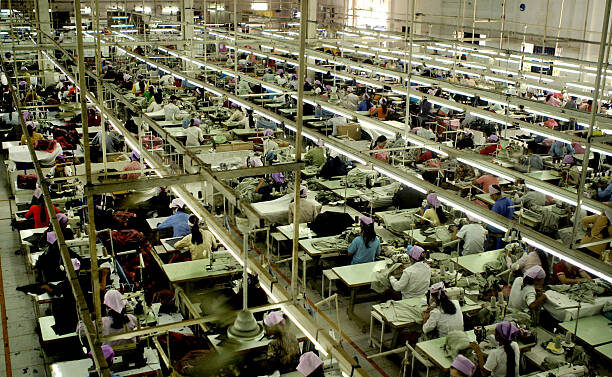
A successful sustainable fashion brand depends on strong partnerships with manufacturers committed to responsible production. However, identifying reliable partners can be difficult in fragmented global supply chains.
Moreover, digital manufacturing platforms help connect sustainable fashion brands with responsible apparel manufacturers focused on transparency and efficiency. These solutions also allow brands to collaborate with factories that follow sustainable practices and maintain clear production visibility.
As a result, stronger collaboration between brands and manufacturers helps build a more resilient and transparent sustainable fashion supply chain.
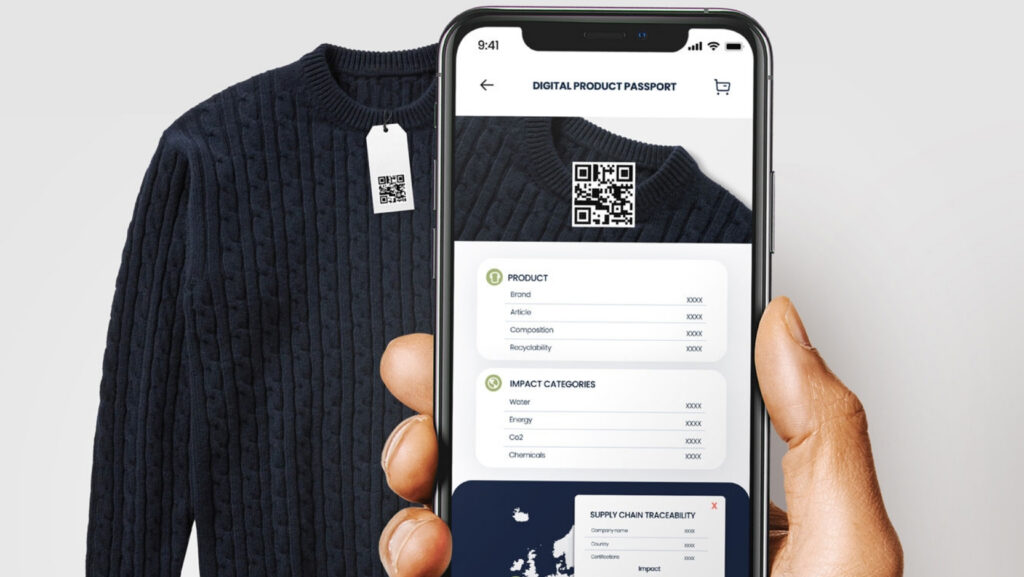
One of the most critical elements of sustainable fashion is product traceability. In fact, consumers and regulators expect sustainable fashion brands to show where products are made. Moreover, they want to know how materials move through the supply chain.
Through digital product tracking and data-driven manufacturing systems, every garment carries a digital record from raw materials to finished product. As a result, this traceability enables sustainable fashion brands to monitor production activities and verify sustainability claims. In addition, it helps maintain transparency across suppliers and manufacturers.
With greater visibility into production data, therefore, sustainable fashion brands can ensure products meet responsible sourcing and manufacturing standards.
Sustainability is not only about sourcing eco-friendly materials. However, it also requires improving manufacturing efficiency and reducing waste during production.
Manufacturing intelligence platforms use real-time production data and analytics to help factories monitor operations, identify inefficiencies, and optimize resource usage. As a result, these insights allow apparel manufacturers to reduce material waste, improve productivity, and maintain better control over factory performance.
For sustainable fashion brands, working with factories that use intelligent production tracking systems helps ensure that sustainability goals are supported by efficient and responsible manufacturing practices.
Environmental, social, and governance (ESG) compliance is becoming a critical priority across the fashion industry. Sustainable fashion brands must now demonstrate transparency in their supply chains while maintaining responsible production standards.
Moreover, digital manufacturing intelligence tools provide reliable production data.This helps brands monitor supplier performance, track sustainability metrics, and support responsible decision-making.
As a result, these systems strengthen fashion supply chain transparency. They also enable brands to meet growing regulatory and consumer expectations.
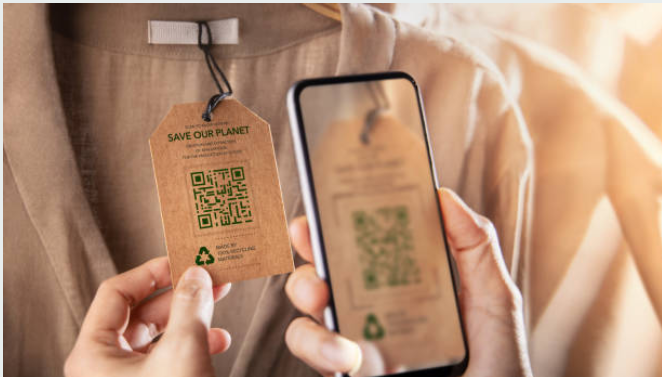
The future of fashion depends on building supply chains that are both efficient and transparent. Therefore, by combining responsible manufacturing practices with advanced production tracking technologies, the industry moves toward a sustainable and accountable value chain.
Moreover, technology platforms that provide traceability, production visibility, and real-time manufacturing insights help bridge the gap between eco-conscious brands and responsible manufacturers. For every sustainable fashion brands, these solutions make it possible to maintain transparency from source to sale while improving operational efficiency and sustainability performance.
While sustainable fashion brands increasingly demand greater transparency across their supply chains, many manufacturers still struggle with limited production visibility and fragmented data systems. This gap between sustainability expectations and operational reality makes it difficult for brands to fully verify responsible production practices across global manufacturing networks.
Platforms like WiMetrix help address this challenge by enabling real-time production tracking, manufacturing intelligence, and enhanced supply chain traceability for apparel factories. By connecting production data with advanced monitoring systems, WiMetrix helps both manufacturers and brands gain better visibility into factory operations and product journeys.
For every sustainable fashion brand, this level of transparency supports stronger collaboration with responsible manufacturers, improves supply chain accountability, and ensures that products remain traceable from source to sale while aligning with modern sustainability and ESG standards.
Building a transparent fashion supply chain is essential for modern sustainability goals.
Collaboration between brands and responsible manufacturers strengthens the sustainable value chain.
Digital product tracking improves traceability and supply chain transparency.
Real-time production insights help reduce waste and improve manufacturing efficiency.
Intelligent manufacturing platforms help every sustainable fashion brand maintain transparency and responsible production practices.
Supercharge your factory with AI-driven manufacturing analytics and real-time production insights.
Improve operational efficiency, reduce costs, and drive sustainable manufacturing with data-driven decision-making.
WiMetrix helps you minimize waste and maximize productivity for smarter, faster production.
Have questions or need more information? We’re here to help.